SPONSORED CONTENT -- (StatePoint) What Americans want in their smartphone is changing rapidly, new research reveals.
The latest mobile survey from Allstate Protection Plans illustrates a mobile market no longer defined by annual upgrades, but instead by durability, value and sustainability.
Upgrade Slowdown
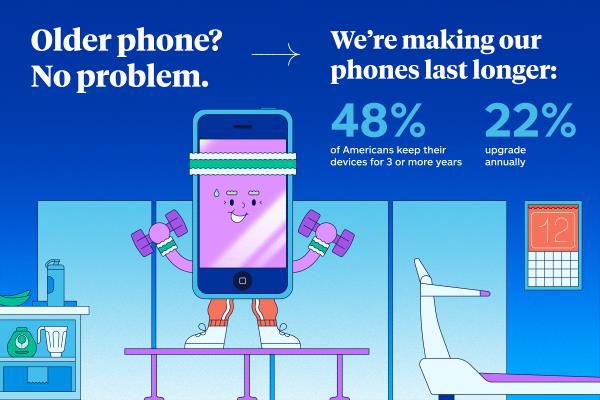
There was a time when smartphone manufacturers could count on blockbuster sales with each flagship release, but the era of annual upgrades is fading. With performance, storage and battery life now hitting plateaus, consumers are no longer chasing the latest device, and are now seeing smartphones as long-term personal assets:
• 27% upgrade every two years (likely at the end of carrier contracts)
• 23% now stretch devices to 3-4 years
• 21% delay upgrading until their phone breaks
• Only 22% upgrade within 12 months
• Only 3% replace a device within six months
Pragmatic Purchasing
As budgets tighten, consumers are redefining what “premium” means. Practicality now matters more than hype, with people choosing phones for core performance, not experimental features. Signaling a clear shift, the factors that matter most today are: battery life, price, storage, camera quality, screen size and brand reputation.
Despite the hype, only 17% of Americans say AI features are a big influence on their buying decisions. However, that number is expected to grow as AI becomes more integrated into daily life.
The Used/Refurbished Tech Economy
Despite 52% of respondents saying the environmental impact of smartphones is “extremely or very important,” refurbished device adoption has stagnated, revealing a growing trust gap. In fact, only 18% have purchased refurbished phones. When asked why they are less likely to choose a refurbished device, 52% worry about quality, 51% worry about defects, and 40% worry about data privacy.
The Recycling Gap
Consumers care deeply about the environmental impact of their tech, but only 20% recycle old phones. The average household contains 1.8 unused smartphones — a sign of “sustainability inertia,” in part because 26% are not confident they know how to recycle a phone. This disconnect reveals an opportunity for clearer recycling guidance and trade-in programs that make “doing the right thing” easier.
A New Environmental Battleground
While consumers don’t always act on their green conscience, they’re increasingly rewarding brands that take visible responsibility for their devices’ footprint:
• 34% say they are more likely to buy from manufacturers committing to emissions reductions
• 34% say recycled ocean plastics increase purchase likelihood
• 30% say recycled glass makes them more likely to buy a smartphone, and 30% say recycled packaging has the same effect
• 27% say knowing their device will be responsibly recycled makes trade-ins more appealing
Leasing and Flex Subscriptions Gain Momentum
As subscription models reshape everything from entertainment to transportation, smartphone ownership is also becoming optional. Like leasing a car, 29% of Americans say they would be likely to lease a smartphone when they next upgrade or replace their device. This “Device-as-a-Service” mindset is driven by lower upfront cost, more frequent upgrades, greater flexibility and the ability to include protection, insurance, or repair services as part of their lease.
“With tighter budgets and diminishing emphasis on chasing the latest tech innovations, consumers are taking a more thoughtful approach to smartphone ownership,” said Karl Wiley, global president and CEO of Allstate Protection Plans. “This is why we’re seeing growing interest in leasing and Device-as-a-Service models, which integrate repair, recycling, and end-of-life management directly into the ownership experience.”