As of January 16, 2026, the global financial landscape has undergone a silent revolution. The speculative fever that once characterized prediction markets during election cycles has matured into a sophisticated infrastructure for risk management. Today, traders are no longer just betting on outcomes; they are using platforms like Kalshi and Polymarket to hedge against the very economic forces that threaten their livelihoods—from the Federal Reserve’s interest rate decisions to the recurring threat of a U.S. government shutdown.
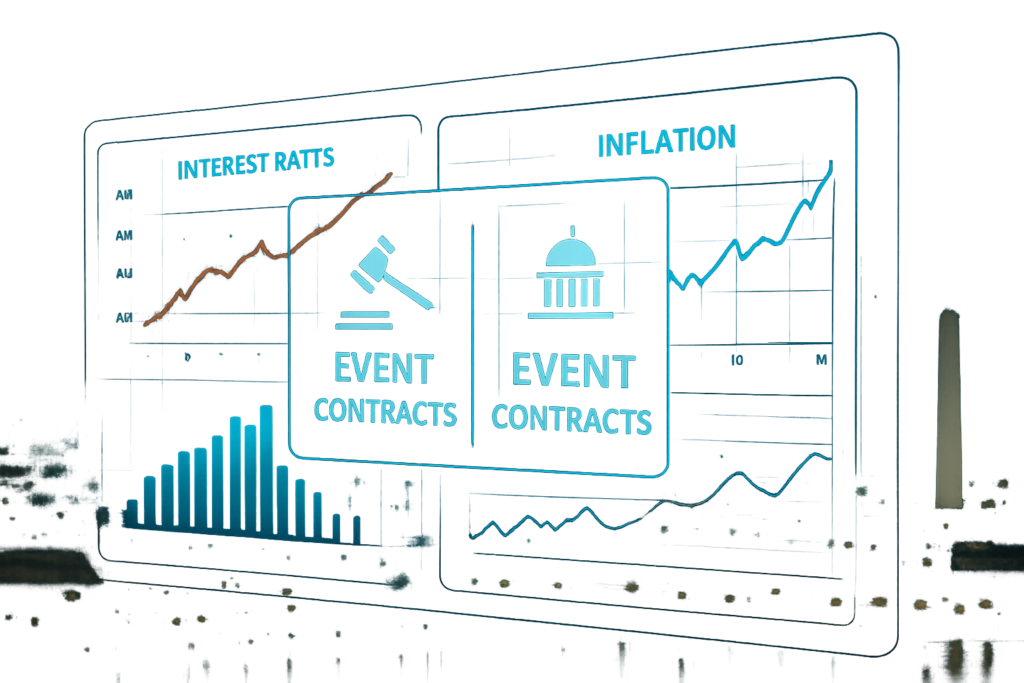
The current market sentiment reflects a high-stakes waiting game. With a critical Federal Open Market Committee (FOMC) meeting less than two weeks away and a looming "shutdown cliff" on January 31, volume in economic event contracts has surged to record highs. On Kalshi, the flagship "Fed Rate Decision" market has become a primary liquidity pool for retail and institutional traders alike, offering a real-time, 24/7 alternative to the traditional CME FedWatch Tool.
The Market: What's Being Predicted
The focus of the prediction market community has sharpened on three primary economic pillars. First is the Federal Reserve's January 28 meeting. Traders on Kalshi currently place a 95% probability on a "Pause," keeping rates steady. However, the real action is in the March 2026 meeting contract, which has seen over $120 million in volume. This market currently prices a 42% chance of a 25-basis-point cut, a significant shift from just two weeks ago when odds favored a continued hold.
Inflation remains the second major battleground. Following the December 2025 CPI print of 2.7%, Polymarket users are actively trading 2026 inflation caps. Currently, there is a 30% probability being priced in for inflation to rebound and stay above 3% for the duration of the year. Unlike traditional inflation swaps, these contracts are accessible with as little as $1, allowing individual investors to lock in "inflation insurance" for their cost-of-living expenses.
Finally, the political risk of a government shutdown has returned to the forefront. As the January 31 funding deadline approaches, the "Will the government shut down?" contract on Kalshi is trading at 37 cents (37% probability). This market has gained immense credibility after traders accurately predicted the exact 43-day duration of the late 2025 shutdown, providing a more reliable signal than the conflicting reports coming out of Washington D.C.
Why Traders Are Betting
The surge in participation is driven by a fundamental shift in how markets perceive "Information Finance." This concept, championed by Ethereum co-founder Vitalik Buterin, posits that prediction markets are more than just betting hubs; they are "truth engines." Because participants have "skin in the game," the price of a contract reflects a distilled, incentivized consensus that often cuts through the noise of partisan pundits and TV economists.
Traders are utilizing these markets for practical, real-world hedging. For example:
- Mortgage Protection: Homeowners looking to refinance in the spring are buying "No" contracts on a March rate cut. If the Fed remains hawkish and rates stay high, the payout from the prediction market helps offset the higher monthly mortgage interest.
- Business Liquidity: Government contractors and retailers like Albertsons Companies, Inc. (NYSE: ACI), which can see fluctuations in SNAP-related revenue during fiscal disruptions, are using shutdown contracts as a form of "business interruption insurance."
- Portfolio Insurance: Investors holding tech-heavy portfolios—highly sensitive to interest rates—are hedging their exposure through CPI contracts. If inflation comes in "hot," the gains from their prediction market positions cushion the blow to their equity holdings in companies like Robinhood Markets, Inc. (NASDAQ: HOOD) or Interactive Brokers Group, Inc. (NASDAQ: IBKR).
Broader Context and Implications
This trend represents the mainstreaming of event contracts as a legitimate asset class. The institutional validation of these markets reached a milestone in late 2025 when the Intercontinental Exchange (NYSE: ICE)—the parent company of the New York Stock Exchange—announced significant infrastructure investments into prediction market data feeds. This has allowed for "conditional markets" to flourish, where traders can hedge complex scenarios, such as "What will the S&P 500 do if the CPI exceeds 3%?"
Furthermore, the regulatory environment has stabilized. Following years of legal skirmishes, prediction markets are now largely viewed as a necessary tool for price discovery. The historical accuracy of these platforms—often leading traditional polling and economic models by days or weeks—has made them indispensable for corporate treasurers and risk managers. In 2026, the consensus is clear: if you want to know what the Fed will do, don’t watch the press conference; watch the Kalshi order book.
What to Watch Next
The next 15 days will be a crucible for these markets. The January 28 FOMC meeting will be the first major test of 2026. If the "Pause" holds as predicted, all eyes will immediately pivot to the March contract, where any deviation from the current 42% probability for a cut will signal a major shift in the Fed's "neutral rate" philosophy.
Following closely is the January 31 government funding deadline. If the odds of a shutdown climb toward 50% in the final 72 hours, expect a spike in volatility across broader equity markets. Traders should also monitor the release of the next CPI "teaser" data, as the prediction markets for inflation are currently very sensitive to any signs of a "second wave" of price increases.
Bottom Line
The rise of prediction markets in early 2026 marks the end of an era where economic forecasting was the exclusive domain of elite institutions and academic models. Through "Information Finance," the collective intelligence of thousands of traders is providing a real-time, high-fidelity map of our economic future.
For the average participant, these markets have transitioned from a hobby into a utility. Whether it is a federal employee hedging their paycheck against a shutdown or a retail investor protecting their savings from inflation, the ability to trade directly on the outcomes of world events has changed the nature of financial security. As we head into a pivotal February, these markets won't just be predicting the news—they will be the most important financial news on the ticker.
This article is for informational purposes only and does not constitute financial or betting advice. Prediction market participation may be subject to legal restrictions in your jurisdiction.
PredictStreet focuses on covering the latest developments in prediction markets.
Visit the PredictStreet website at https://www.predictstreet.ai/.