BAKERSFIELD, Calif., Jan. 13, 2026 (GLOBE NEWSWIRE) -- Stroke survivors need ongoing care far beyond the traditional 90-day recovery window, according to a recently published peer-reviewed article written by the Centre for Neuro Skills (CNS) research team. The article presents evidence that challenges current healthcare practices, limiting stroke treatment to the first 60-90 days post-injury. It indicates that a stroke should be treated as a chronic condition rather than a one-time medical event.
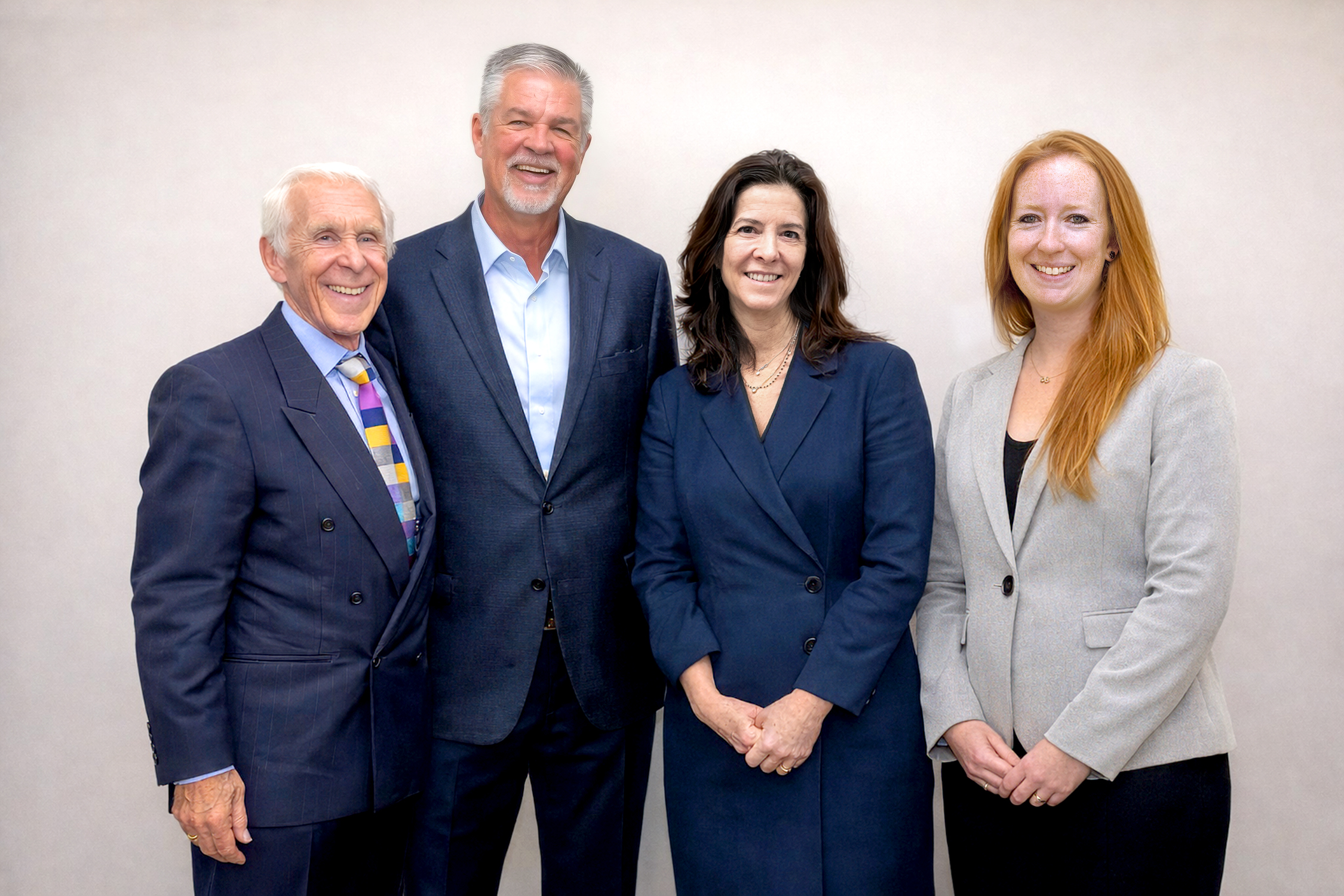
From left: Brent E. Masel, Mark J. Ashley, Stefanie N. Howell and Grace S. Griesbach
The review article published in the journal Brain Injury, "Stroke as a chronic health condition: a case for continued care," is authored by CNS researchers Brent E. Masel, Mark J. Ashley, Stefanie N. Howell and Grace S. Griesbach. It presents compelling evidence that stroke survivors can continue to improve with therapy well beyond the traditional 3-6 month "plateau" assumption that drives current insurance reimbursement policies.
"Stroke is disease causative and disease accelerative," the researchers write. "Despite the fact that the Centers for Medicare and Medicaid Services has classified stroke as a chronic condition, the focus of care remains on the first 60-90 days after the stroke. There is very little scientific evidence supporting the limits imposed on stroke rehabilitation."
The Cost of Inadequate Long-Term Care
In the US, the average lifetime cost of stroke care per patient is estimated at $140,048.
"Although more intense comprehensive long-term stroke rehabilitation would add to the healthcare financial burden, it would potentially reduce disability and long-term costs to society," the authors state. Among young stroke survivors aged 18-50, nearly 47% were unemployed five years post-stroke, with a 2-3 times greater unemployment rate than their non-injured peers after eight years.
Medical Complications Extend Far Beyond Acute Period
The CNS research highlights that medical complications occur in 67% of stroke survivors, with two-thirds experiencing at least one complication and 25% suffering two or more. The most common complications include depression, pain, falls, cognitive impairment and sleep disorders - many of which develop or persist well beyond the initial months.
Key findings include:
- More than 50% of stroke survivors report cognitive impairment beyond the first year
- About one in four stroke survivors (25-28%) develop depression
- More than 70% develop obstructive sleep apnea, yet only 6% receive formal sleep testing
- 36-51% experience post-stroke fatigue
- 30% develop dementia
- Stroke survivors face a 30% risk of a second stroke within five years—nine times the risk of the general population
Evidence Supports Continued Rehabilitation
The research identifies 339 randomized controlled trials in which rehabilitation interventions started more than six months after stroke resulted in significant improvements. Benefits for continued therapy have been demonstrated across motor function, speech, cognitive abilities and quality of life.
"A plateau is not always permanent and can potentially be overcome by changing the therapeutic regimen," the authors argue. "The apparent motor 'plateau' is really a neuromuscular adaptation in which the individual becomes neurophysiologically accustomed to various exercise regimens. Just like traditional exercise programs, an apparent plateau is an indicator that the regimen needs to be modified."
A Call for Policy Change
The researchers call for a fundamental shift in how stroke rehabilitation is approached and funded, saying that current policies create "disparate and fragmented rehabilitation rules that only work to lessen the likelihood of successful outcomes and drive up the long-term financial and societal costs of a stroke."
"Researchers and clinicians must be strong advocates for patients and science and not allow complacency in the belief that therapeutic efforts are time limited," the authors conclude. "The need for long-term stroke monitoring and treatment is abundantly clear. Accordingly, the duration of stroke management should be based on scientific evidence as it is in other diseases."
About the Methods for the Review Article
Comprehensive searches utilizing PubMed, Health Services Research, and Google Scholar were performed to highlight healthcare limitations and present major medical complications frequently reported during the chronic stroke period (defined as beginning approximately 6-12 months after stroke).
The article addresses inflammatory and endocrine alterations, sleep disturbances, pain and musculoskeletal complications, speech and swallowing issues, cognitive impairment, and depression—all of which contribute to long-term stroke morbidity and require ongoing monitoring and treatment.
Stroke Statistics
- 800,000 Americans experience stroke annually
- Stroke is the 5th leading cause of death and a leading cause of long-term disability
- 10-20% of strokes occur in between age 18-50
- One American dies from stroke every 4 minutes
- Each year. 686,000 Americans visit emergency departments with stroke as the primary diagnosis
About Centre for Neuro Skills
Centre for Neuro Skills is an experienced and respected world leader in providing intensive rehabilitation and medical programs for those recovering from all types of brain injury. Recognized as one of America's Greatest Midsize Workplaces 2025 by Newsweek, CNS covers a full spectrum of advanced care from residential and assisted living to outpatient/day treatment. Founded by Dr. Mark Ashley in 1980, CNS has eight locations in California and Texas. For more information about Centre for Neuro Skills, visit neuroskills.com, Facebook, X, LinkedIn, YouTube. For a video overview of CNS, visit our YouTube channel.
Media, please note: To request an interview with CNS leadership or clinical staff, please contact Robin Carr at 415.766.0927 or CNS@landispr.com.
Media Contact:
Landis Communications Inc.
Robin Carr
415.766.0927
CNS@landispr.com
A photo accompanying this announcement is available at https://www.globenewswire.com/NewsRoom/AttachmentNg/11bf040f-4c3d-4004-9e4a-81abcef1b092