Plug Power Inc. (NASDAQ: PLUG) is currently in the midst of the most significant transition in its nearly 30-year history. After years of aggressive capital expenditure aimed at building a nationwide green hydrogen network, the company has shifted its focus from "growth at all costs" to "pathway to profitability." This change comes at a time of immense pressure: the stock is trading near multi-year lows, regulatory hurdles regarding tax credits have stiffened, and a high-stakes leadership transition is taking place this month.
As of early 2026, the company is no longer just a story about fuel cells for forklifts; it is a complex infrastructure play involving massive electrolyzer deployments, cryogenic liquid hydrogen transport, and a burgeoning attempt to power the AI-driven data center boom. Investors are watching closely to see if the company can finally achieve a positive gross margin and navigate the legal and financial complexities surrounding its federal loan guarantees.
Historical Background
Founded in 1997 as a joint venture between DTE Energy and Mechanical Technology Inc., Plug Power spent its first two decades primarily focused on proton exchange membrane (PEM) fuel cells. Its early claim to fame was the GenDrive system, which replaced lead-acid batteries in electric lift trucks for high-volume warehouses operated by giants like Amazon (NASDAQ: AMZN) and Walmart (NYSE: WMT).
The company’s modern era began in earnest around 2019–2020, when CEO Andy Marsh pivoted the strategy toward a "Green Hydrogen Ecosystem." The goal was to control the entire value chain: producing the hydrogen via electrolyzers, transporting it, and selling the fuel cells that consume it. This vision sent the stock skyrocketing in 2021, fueled by a $1.6 billion investment from South Korea’s SK Group and a global fervor for decarbonization. However, the subsequent years were characterized by "growing pains"—supply chain bottlenecks, skyrocketing costs of natural gas, and delays in scaling its domestic production plants.
Business Model
Plug Power’s business model is structured around four primary pillars, designed to provide a "turnkey" solution for the hydrogen economy:
- Applications (Fuel Cells): Selling GenDrive units for material handling and GenSure stationary power units for backup power in telecommunications and data centers.
- Energy (Hydrogen Production): Building and operating green hydrogen production plants to sell liquid hydrogen to customers.
- Infrastructure (Electrolyzers): Manufacturing and selling the PEM electrolyzers required for others to produce their own green hydrogen.
- Services and Delivery: Providing maintenance for fuel cell fleets and operating a fleet of cryogenic trailers for hydrogen logistics.
The revenue mix has shifted significantly. While material handling was once 90% of the business, electrolyzer sales and hydrogen fuel delivery now represent the primary growth engines, albeit with significantly higher capital requirements.
Stock Performance Overview
The five-year chart for PLUG is a study in market volatility. From a pandemic-era peak of over $60 in early 2021, the stock entered a protracted decline as the "higher for longer" interest rate environment squeezed capital-intensive growth stocks.
- 1-Year Performance: Over the past 12 months, the stock has remained under intense pressure, recently trading around $1.79. It saw a brief "AI-energy" rally in late 2025, reaching $4.58, before crashing back down due to concerns over the Department of Energy (DOE) loan status.
- 5-Year Performance: The stock is down approximately 90% from its March 2021 levels, reflecting the massive dilution from secondary offerings and the persistent lack of GAAP profitability.
- 10-Year Performance: Long-term holders have experienced a "round trip," with the stock returning to levels seen in the mid-2010s after the massive 2020–2021 bubble burst.
Financial Performance
Plug Power’s financials for the fiscal year 2025 reflect a company in "survival and stabilization" mode.
- Revenue: FY 2025 revenue is estimated at approximately $700 million, a modest recovery from the $628.8 million reported in 2024 but still well below the optimistic multi-billion dollar projections made earlier in the decade.
- Margins: Gross margins remain the company’s "Achilles' heel." While they improved from a disastrous negative 92% in mid-2024 to roughly negative 30-40% in late 2025, the company has yet to reach the break-even point on a consolidated basis.
- Liquidity: In response to a "going concern" warning in late 2023, the company initiated a $275 million liquidity plan in 2025, which included the sale of its "Project Gateway" site in New York. As of Q1 2026, the company continues to rely on ATM (at-the-market) equity offerings and asset monetization.
Leadership and Management
The headline story for March 2026 is the leadership transition. Andy Marsh, the architect of Plug’s grand hydrogen vision, is stepping down from the CEO role to become Executive Chairman. He is succeeded by Jose Luis Crespo, the former Chief Revenue Officer.
Crespo is viewed by the board as an "execution-first" leader, tasked with reigning in the visionary spending of the Marsh era. His mandate, under the banner of "Project Quantum Leap," includes a 15% reduction in the global workforce and a strict prioritization of projects that can deliver immediate cash flow. This shift in governance is intended to reassure institutional investors who have grown weary of missed targets.
Products, Services, and Innovations
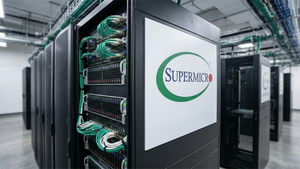
Innovation at Plug Power has recently centered on the AI Data Center market. As tech giants seek carbon-free "always-on" power for massive GPU clusters, Plug has optimized its stationary fuel cell stacks to provide megawatt-scale backup and primary power.
On the production side, the company’s PEM electrolyzer technology remains a market leader in North America. Its Georgia plant, now producing 15 tons per day (TPD), serves as a "blueprint" for future facilities. However, the innovation pipeline is currently constrained by R&D budget cuts as the company focuses on refining existing designs.
Competitive Landscape
Plug Power faces a "two-front war" in the competitive landscape:
- Stationary Power: Bloom Energy (NYSE: BE) has emerged as a formidable rival, particularly in the data center space, where its solid-oxide fuel cells (SOFC) are often preferred for their high efficiency.
- Heavy Duty & Transit: Ballard Power Systems (NASDAQ: BLDP) remains a dominant force in hydrogen-powered buses and rail.
- Electrolyzers: In Europe and Asia, firms like Nel ASA and ITM Power provide stiff competition for large-scale industrial decarbonization projects.
Industry and Market Trends
The hydrogen sector in 2026 is grappling with the reality of "incremental decarbonization." The initial hype of replacing all natural gas with hydrogen has faded, replaced by a focus on "hard-to-abate" sectors: heavy steel manufacturing, chemical production, and long-haul logistics.
Macro trends, including high capital costs and a shift in political winds, have slowed the "green hydrogen" rollout. Furthermore, the global supply chain for PEM components (like iridium and platinum) remains a bottleneck, though Plug has made strides in vertical integration to mitigate these risks.
Risks and Challenges
The risks facing Plug Power are significant:
- Regulatory Uncertainty: The status of the $1.66 billion DOE loan guarantee is currently the subject of intense speculation and legal challenges.
- Litigation: A 2026 securities class action lawsuit (Ortolani v. Plug Power Inc.) alleges the company misled investors regarding its ability to access federal funding.
- Liquidity: Despite recent asset sales, the company’s cash burn remains a concern. Without a clear path to positive cash flow in 2026, further dilutive equity raises may be necessary.
- Operational Delays: Suspension of activities at major sites like the Texas "Project Limestone" plant has raised doubts about the company’s ability to meet its 2030 production targets.
Opportunities and Catalysts
Despite the challenges, several catalysts could spark a recovery:
- AI Power Demand: If Plug can secure a major, multi-year contract with a "Hyperscaler" for data center power, it would validate its stationary power strategy.
- Operational Milestones: The commissioning of the New York (Genesee County) plant, expected to produce 74 TPD, would nearly triple the company’s internal hydrogen supply.
- Execution under Crespo: If the new CEO can deliver even one quarter of positive gross margin, it would likely trigger a significant re-rating of the stock.
Investor Sentiment and Analyst Coverage
Wall Street sentiment is currently "cautiously skeptical," with a consensus Hold rating. Analysts are split: roughly 20% maintain "Buy" ratings based on the long-term hydrogen tailwinds, while 30% have "Sell" or "Underperform" ratings due to liquidity fears.
Regulatory, Policy, and Geopolitical Factors
The regulatory environment has become more complex with the passage of the One Big, Beautiful Bill Act (OBBBA) of 2025, which moved up several decarbonization deadlines but also tightened the criteria for the 45V Clean Hydrogen Tax Credit. The "Three Pillars" of hydrogen policy—incrementality, temporal matching, and geographic correlation—remain a hurdle.
Conclusion
As of March 2, 2026, Plug Power is a company caught between two worlds. One world is the "Visionary Era" of the past decade, characterized by bold dreams and aggressive spending. The other is the "Execution Era" currently being ushered in by CEO Jose Luis Crespo, where the focus has narrowed to survival, cost-cutting, and the data center opportunity.
For investors, PLUG remains a high-risk, high-reward "binary" play. If the company can navigate its legal challenges and capitalize on the insatiable energy needs of the AI sector, its current valuation may look like a generational entry point. However, until the company demonstrates it can produce hydrogen and fuel cells at a profit, it remains a speculative bet.
This content is intended for informational purposes only and is not financial advice.