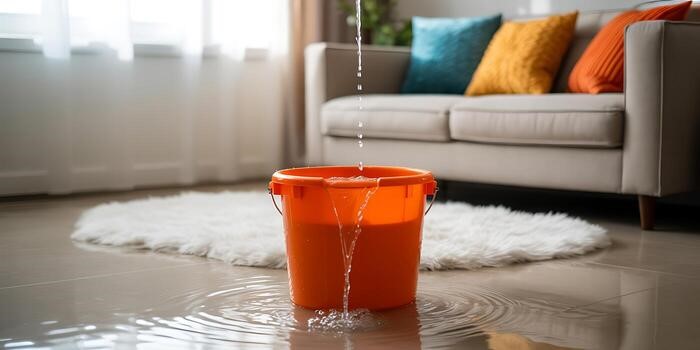
There’s a moment that happens in almost every flood situation. The water stops rising, the immediate panic subsides, and the homeowner exhales. The worst is over, right? Not quite.
In most cases, the visible damage you can see immediately after a flood is only part of the story. What follows in the hours, days, and weeks after standing water disappears is where the real complexity of emergency property restoration begins. Understanding what’s actually happening behind your walls, under your floors, and inside your HVAC system can make the difference between a clean recovery and a very expensive second disaster.
For homeowners across the province navigating the aftermath of a major flood event, resources covering flood damage restoration services in Ontario consistently point to the same theme: the water you can see is far less dangerous than the moisture you can’t.
Why “Dry” Doesn’t Mean “Restored”
This is one of the most common misunderstandings in emergency property restoration, and it costs homeowners dearly. When floodwater drains or gets extracted from a basement, the structural materials of your home remain saturated long after the surface looks and feels dry. Drywall, wood framing, subfloor materials, and insulation all absorb water at different rates and release it even more slowly.
Industry restoration standards measure moisture content in building materials using calibrated meters, not by touch. Structural drywall, for example, should read below 17% moisture content before it’s considered safe from ongoing mold risk. A wall that looks perfectly fine to the naked eye can be sitting at 40%, 50%, or higher for days after visible water is removed.
This matters enormously because mold can begin to colonize within 24 to 48 hours in the right conditions, and the conditions inside a recently flooded home are often exactly right: warmth, moisture, and organic material. By the time visible mold appears on a surface, the colony behind it has typically been growing for some time. That means cosmetic surface cleaning misses the actual problem entirely.
The Hidden Sequence of Secondary Damage
Emergency restoration professionals talk about secondary damage, and it’s worth understanding what that term actually covers, because it tends to be where costs escalate unexpectedly.
When moisture migrates through building materials, it travels on its own timetable. Water that entered your basement through a foundation crack or sewer backup doesn’t stay in the basement. It wicks upward through framing, spreads laterally through shared wall cavities, and can appear in rooms that never had standing water at all. Homeowners are often surprised to discover moisture readings in their main floor walls after a basement flood, or elevated humidity in a bedroom that seems entirely unaffected.
Secondary damage also includes the cumulative impact on structural components. Wood framing that stays wet for extended periods begins to warp and weaken. Engineered flooring products like OSB subfloor delaminate. Metal fasteners corrode. Insulation compresses and loses its thermal properties. None of this happens dramatically. It happens quietly, and by the time it becomes a structural problem, the cost of repair has multiplied significantly.
That’s why the 48-hour window after a flood is genuinely critical. Certified restoration technicians working within that window with industrial drying equipment, air movers, and dehumidifiers are doing something that a consumer-grade fan running for a week simply cannot replicate. The physics of drying building assemblies require deliberate airflow management, controlled humidity removal, and ongoing monitoring. This is not a dramatic observation. It’s just engineering.
What Certified Restoration Actually Looks Like
One of the reasons emergency property restoration tends to be misunderstood is that the most important work is invisible. When a certified restoration crew arrives after a flood, a significant portion of their initial effort goes toward assessment, documentation, and equipment placement rather than the kind of visible activity that signals progress.
Moisture mapping is the process of using thermal imaging and calibrated meters to establish a detailed picture of where water has migrated throughout the structure. This mapping forms the foundation of the drying plan and the insurance documentation simultaneously. Without it, you’re guessing, and guessing in restoration leads to material removal that wasn’t necessary or, more dangerously, material that was left in place when it should have been removed.
Documentation matters enormously in the context of insurance claims. Adjusters require evidence-based justification for every line item in a restoration scope. Photographic records, moisture logs, drying data, and equipment placement records create the chain of evidence that supports a claim and prevents disputes later. This is one area where working with an experienced restoration contractor rather than a generalist handyman pays for itself quickly.
Structural drying then follows a deliberate process: water extraction if standing water is still present, followed by targeted placement of air movers to create airflow across wet surfaces, commercial dehumidifiers to remove the moisture pulled from materials, and daily monitoring to track drying progress and adjust equipment placement as readings change. A thorough residential flood can require anywhere from three to five days of active drying, sometimes longer for heavily affected structures or finished basements with multiple material layers.
The Mold Question Nobody Wants to Ask
Most homeowners don’t want to say the word out loud, but mold is the primary reason why incomplete flood restoration becomes such a serious problem. The conversation matters because mold remediation adds a layer of complexity, cost, and health concern that proper initial drying is specifically designed to prevent.
The reality is that mold remediation after improper drying is not simply more drying. It requires containment barriers to prevent cross-contamination, air scrubbing with HEPA filtration, controlled demolition of affected materials, antimicrobial treatment, and post-remediation clearance testing. It is significantly more disruptive and expensive than the drying work that would have prevented it in the first place.
For families with young children, elderly residents, or anyone with respiratory conditions, mold exposure carries genuine health implications. This is one area where the cost of getting restoration right the first time is genuinely protective, not just financially, but in terms of the health and habitability of the home.
What Your Insurance Policy Actually Covers
This section belongs in any honest discussion of emergency property restoration because the gap between what homeowners assume their insurance covers and what it actually covers is a significant source of stress after a flood.
Standard property insurance in Canada typically distinguishes between sudden and accidental water damage, which is often covered, and flooding from external water sources or sewer backup, which requires endorsements that many homeowners don’t realize they need until they’re filing a claim. Sewer backup coverage and overland water coverage are typically sold as add-ons, and their presence or absence changes the restoration conversation considerably.
Even when coverage applies, adjusters work from scope documents and supporting documentation. A restoration company familiar with the insurance process can prepare documentation that aligns with adjuster expectations, communicate directly with the adjuster during the claim, and advocate for appropriate scope when initial assessments undervalue the actual damage. Homeowners navigating this alone are at a distinct disadvantage, not because insurers are adversarial, but because the documentation requirements are specific and experience matters.
The Decisions That Define the Recovery
Emergency property restoration after a flood is ultimately a series of decisions made under stress, often without full information. The homeowners who navigate it most effectively tend to share a few common traits: they call for professional assessment before attempting any cleanup themselves, they avoid the temptation to accelerate drying with consumer equipment, and they engage with their insurance process actively rather than waiting for the claim to unfold on its own.
The most expensive flood recoveries are rarely the ones with the most initial damage. They’re the ones where the secondary damage was allowed to develop, where documentation was insufficient, or where incomplete drying led to mold remediation months after the original event. Getting the first 48 hours right changes everything that follows.
The water may have receded. The work is just beginning.