The American beef industry is entering a period of unprecedented structural upheaval as a shrinking national cattle herd and a massive reduction in processing capacity collide. In a dual blow to the sector, the latest USDA Cattle on Feed report has revealed a staggering 11% drop in cattle placements, while Tyson Foods (NYSE: TSN) prepares to shutter its massive Lexington, Nebraska facility. These developments, occurring as of December 25, 2025, signal a tightening supply chain that is already forcing economists to slash price forecasts for 2026 and warning of long-term retail inflation.
The immediate implications are stark: the U.S. beef cattle herd has reached its smallest size since the 1950s, a result of years of drought-induced liquidation and high operational costs. With fewer cattle available to fill feedlots, the decision by Tyson Foods to remove one of the nation’s largest processing plants from the grid suggests that the industry is moving from a phase of "too many hooks" to a desperate search for efficiency. For consumers, this likely means record-high prices at the meat counter will persist well into 2026, even as the prices paid to ranchers begin to soften due to reduced competition among packers.
A Perfect Storm: Record Placement Drops and the Lexington Bombshell
The USDA’s December 1, 2025, Cattle on Feed report sent shockwaves through the commodities market, confirming that the supply crunch is accelerating. Cattle and calves on feed for the slaughter market totaled 11.7 million head, a 2% decline from the previous year. However, the most alarming figure was the 11% drop in placements—the number of new cattle entering feedlots—which hit its lowest level for the month of November since record-keeping began in 1996. This lack of "new blood" in the system guarantees a significant shortfall in market-ready beef by mid-2026.
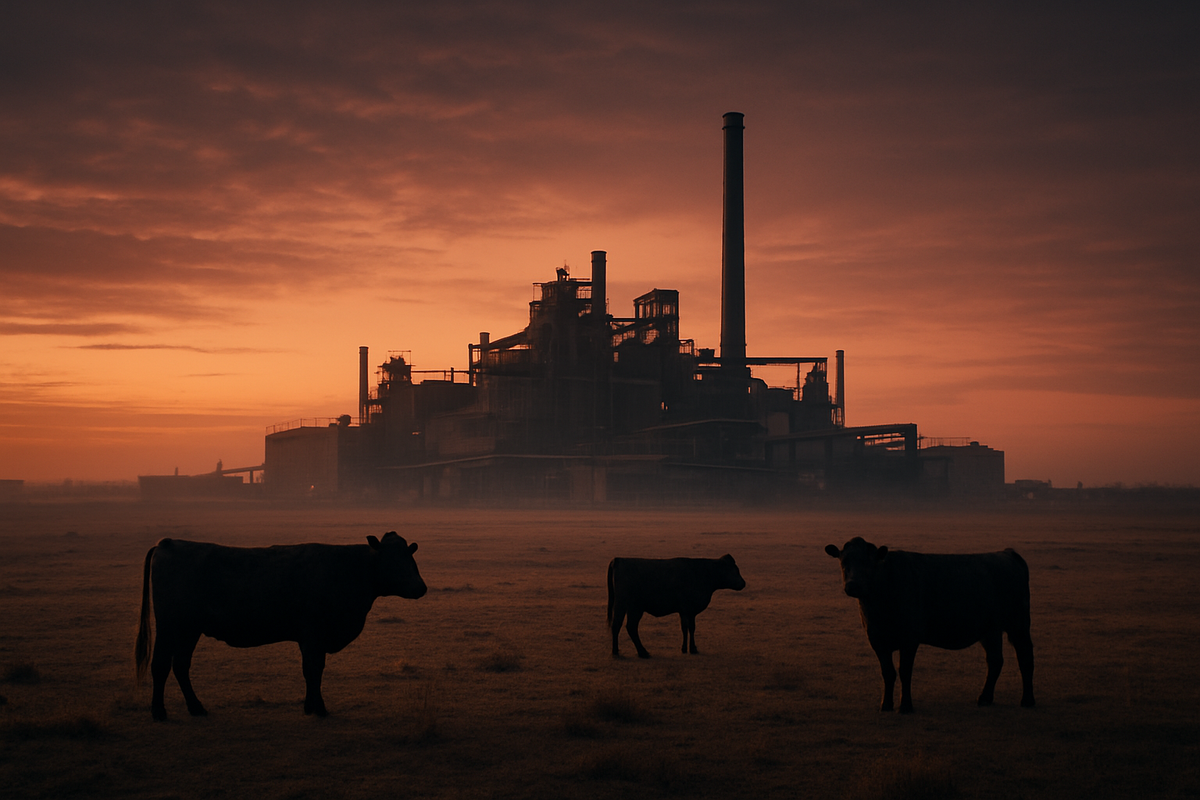
Compounding this supply shortage is the structural retreat of the industry's biggest players. On November 21, 2025, Tyson Foods announced it would permanently close its Lexington, Nebraska beef plant on January 20, 2026. The facility is a behemoth, processing nearly 5,000 head of cattle per day—roughly 4.8% of the total daily U.S. beef slaughter capacity. Tyson also confirmed it would scale back its Amarillo, Texas facility to a single shift. Together, these moves remove approximately 7,500 to 8,000 head of daily capacity from the national market, a strategic "right-sizing" intended to stem the $426 million loss Tyson’s beef segment reported in fiscal year 2025.
Winners and Losers: The Shifting Power of the "Big Four"
The closure of the Lexington plant creates a complex map of winners and losers. Tyson Foods (NYSE: TSN) is the primary actor, sacrificing market share to protect its margins. By shuttering a high-capacity plant, Tyson aims to improve its utilization rates at other facilities, but the short-term cost is immense: 3,200 jobs lost in Nebraska and an estimated $3.3 billion annual economic hit to the state’s economy. Investors have reacted cautiously, as the move highlights the vulnerability of the beef segment to high "live-side" costs.
In the short term, rival packers like JBS S.A. (OTCQX:JBSAY) and private giants like Cargill and National Beef may see a temporary boost in their regional leverage. With one fewer "bidder" in the Nebraska and Kansas corridors, these remaining packers may be able to negotiate lower prices from ranchers for the limited supply of cattle. However, the "winners" are few in a market where the raw material—live cattle—is simply not there. Ranchers and feedlot operators are the clear losers in this scenario; despite the scarcity of their product, the reduction in "hooks" (slaughter capacity) limits their options for where to sell, potentially capping the record prices they might have otherwise commanded.
Industry Significance: A Historic Contraction
This event is not merely a corporate restructuring; it is a symptom of a historic contraction in the U.S. agricultural landscape. The 11% drop in placements is largely fueled by a closed Mexican border—shut due to New World screwworm concerns—and a multi-year drought that forced ranchers to sell off breeding cows years ago. We are now seeing the "tail" of that liquidation. The industry is currently in a "herd rebuilding" phase that hasn't actually started yet, as high interest rates and volatile weather continue to discourage ranchers from keeping heifers for breeding.
The removal of nearly 5% of national slaughter capacity via the Lexington closure is a rare event that mirrors the plant closures of the mid-2010s, but with a more dire supply backdrop. Regulators and policymakers are also taking note. The USDA has already raised its 2026 beef import forecast to 5.45 million pounds, a 10% increase, to fill the gap left by domestic production. This reliance on foreign beef, particularly from Brazil and Australia, represents a significant shift in U.S. food security policy and a potential flashpoint for future trade negotiations.
The Road to 2026: Scarcity and Strategic Pivots
Looking ahead, the market bottom for cattle supply is not expected until late spring or summer of 2026. Between now and then, the industry must navigate a "dead zone" where supply is at its lowest and processing capacity has been structurally reduced. The USDA has already lowered its 2026 steer price forecast by 4.5% to $235 per hundredweight, anticipating that the lack of processing competition will dampen the price spikes producers might have expected.
For the remaining players, the strategic pivot will be toward automation and value-added products. With labor shortages and high cattle costs, packers will likely invest heavily in robotic carcass breakdown and "case-ready" meats to squeeze more margin out of every head processed. We may also see a rise in "alternative" supply chains, where smaller, regional processors attempt to fill the void left by Tyson in the Midwest, though they lack the scale to significantly impact national beef prices.
Final Assessment: What Investors Should Watch
The decline in cattle placements and the exit of Tyson from Lexington mark the beginning of a lean era for the American beef industry. The key takeaway for the market is that the supply-side crisis is no longer a future threat—it is the current reality. The 11% drop in placements ensures that the supply of fed cattle will remain critically low through at least the next 18 months, keeping retail prices high and packer margins thin.
Moving forward, investors should keep a close eye on the USDA’s quarterly Hogs and Pigs and Cattle reports for any signs of herd rebuilding, as well as the status of the Mexican border. If the border remains closed to feeder cattle, the supply crunch could extend into 2027. Furthermore, watch for the quarterly earnings of Tyson Foods (NYSE: TSN) and JBS S.A. (OTCQX:JBSAY) to see if the capacity reductions successfully stabilize their beef margins. The "Beef Supercycle" is here, but it is a cycle defined by scarcity, and only the most efficient players will survive the transition.
This content is intended for informational purposes only and is not financial advice.