-- Originally posted on: https://int.livhospital.com/cardiology/transplant-cardiology/symptoms-and-risk-factors/
Cardiology is the medical specialty focused on the heart and the cardiovascular system. It involves the diagnosis, treatment, and prevention of conditions affecting the heart and blood vessels. These conditions include coronary artery disease, heart failure, arrhythmias (irregular heartbeats), and valve disorders. The field covers a broad spectrum, from congenital heart defects present at birth to acquired conditions like heart attacks.
Symptoms and Risk Factors

Heart failure is often a slow, progressive condition, and the transition to “end-stage,” requiring a transplant, can sometimes be subtle, while at other times it feels like a sudden cliff. Recognizing the specific symptoms that indicate the heart is failing at a critical level is essential for timely referral to a transplant center. These symptoms go beyond simple tiredness; they represent a fundamental inability of the cardiovascular system to sustain the body’s life functions.
It is also vital to understand the risk factors and underlying causes that lead to this point. Not everyone with heart trouble will need a transplant. It is usually reserved for those with specific, irreversible damage to the heart muscle. By understanding the trajectory of these diseases, patients and families can better grasp why a transplant has become the necessary next step. This knowledge empowers you to recognize the warning signs and advocate for advanced care when standard treatments stop working.
The first symptom is shortness of breath at rest.
While exercise often causes fatigue, advanced heart failure is characterized by shortness of breath while sitting still or lying down. This is medically known as dyspnea at rest or orthopnea. It occurs because the heart is too weak to pump blood forward effectively, causing fluid to back up into the lungs. This fluid takes up space that should be filled with air, making every breath a struggle.
Patients often report needing to sleep propped up on several pillows or even in a recliner chair to breathe comfortably. Waking up suddenly in the middle of the night gasping for air (paroxysmal nocturnal dyspnea) is another terrifying but common symptom. When the heart cannot keep the lungs clear of fluid even when the body is resting, it is a clear signal that the pump is failing critically and advanced intervention is needed.
- You may feel like you are “drowning” or cannot get a deep breath.
- Sleeping flat becomes impossible due to coughing or gasping.
- Activities as simple as getting dressed or showering cause windedness.
- This symptom often indicates high pressures inside the heart chambers.
Profound Fatigue and Cachexia
The fatigue associated with end-stage heart failure is not just being “tired.” It is a bone-deep exhaustion that does not improve with sleep. Such fatigue happens because the heart cannot pump enough oxygen-rich blood to the muscles. The body enters a survival mode, diverting blood flow to vital organs like the brain and kidneys, leaving the muscles of the arms and legs starved for fuel. This phenomenon makes even lifting a fork or walking to the mailbox feel like lifting heavy weights.
Over time, this lack of blood flow can lead to “cardiac cachexia,” a condition where the body begins to waste away. Patients lose muscle mass and fat, becoming frail and weak despite possibly retaining fluid weight. The gut also receives less blood, which can cause nausea This can lead to a feeling of fullness, which makes it difficult to eat. This unintentional weight loss and frailty are strong indicators that the heart failure has reached an advanced stage.
Fluid Retention and Swelling
As the heart’s pumping power fades, the kidneys receive less blood. In response, they stop filtering out fluid and salt efficiently, causing water to build up in the body. This leads to edema, or swelling. While swollen ankles are common in mild heart failure, in advanced stages, the swelling can move up the legs to the thighs, the abdomen (ascites), and even the lower back.
This fluid retention can be massive, sometimes amounting to 20 or 30 pounds of extra water weight. The swelling in the abdomen can press on the stomach, causing loss of appetite, and press on the diaphragm, making breathing even harder. When diuretic medications (water pills) stop working effectively to remove this fluid, it is a sign that the heart and kidneys are in a critical state of interaction known as cardiorenal syndrome.
Cardiomyopathy
One of the leading reasons for heart transplantation is cardiomyopathy, a disease of the heart muscle itself. There are several types. Dilated cardiomyopathy occurs when the heart’s main pumping chamber stretches out and becomes thin and weak. It can be genetic, caused by viruses, or idiopathic (unknown cause). The stretched muscle simply cannot squeeze hard enough.
Ischemic Cardiomyopathy
This type is caused by coronary artery disease and heart attacks. When a heart attack occurs, part of the muscle dies and turns into scar tissue. Scar tissue cannot pump. If a patient has had multiple heart attacks or one massive one, a large portion of their heart may be dead scar tissue. No amount of stenting or bypass surgery can bring dead muscle back to life; only a transplant can restore function.
Non-Ischemic Cardiomyopathy
This refers to muscle weakness not caused by artery blockages. It includes genetic causes, viral infections, alcohol or drug toxicity, and autoimmune diseases. Because the arteries are often clean, bypass surgery is not an option, making transplant a primary consideration when medications fail.
Congenital Heart Defects
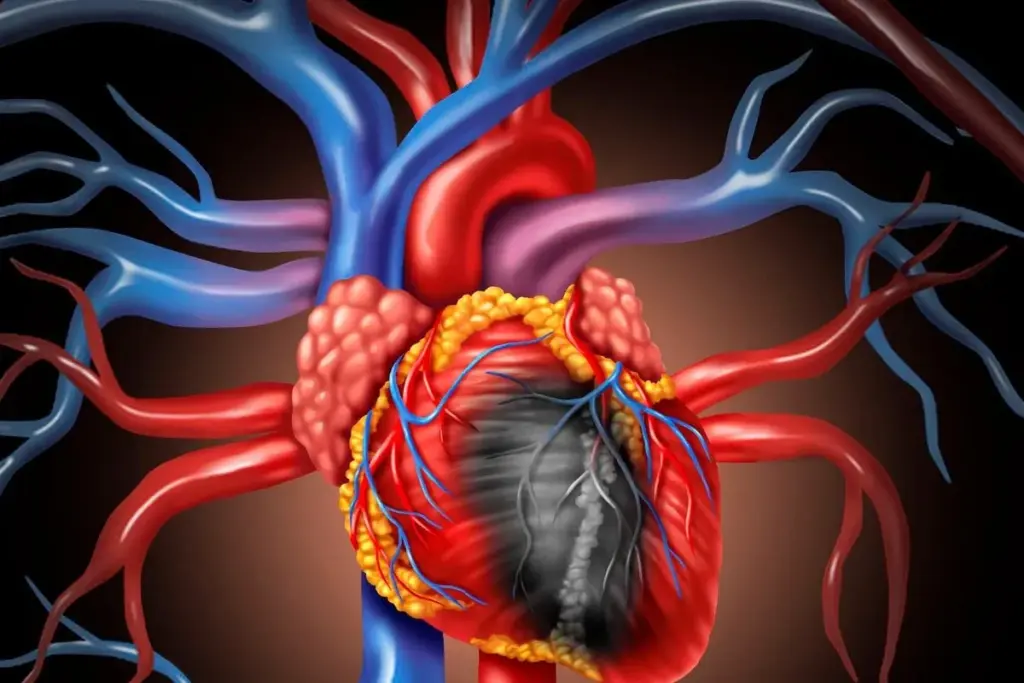
Many adults are now needing heart transplants because of congenital heart defects—problems they were born with. Thanks to medical advances, babies born with complex heart issues are surviving into adulthood. However, the surgical repairs done in childhood often “wear out,” or the heart muscle eventually fails after decades of pumping against abnormal anatomy.
For example, someone born with a single pumping chamber instead of two might do well for 20 or 30 years, but eventually, that single chamber fails. These patients present a unique challenge because their anatomy is often very different from normal, and they may have had multiple chest surgeries in the past, which creates scar tissue that complicates further treatment.
Ventricular Arrhythmias
When the heart fails, the electrical system and the muscle often become unstable. Scar tissue and stretching in the chambers can interrupt smooth electrical pathways. This can lead to dangerous heart rhythms called ventricular tachycardia (VT) or ventricular fibrillation (VF). These rhythms cause the heart to race uncontrollably or quiver, leading to sudden cardiac arrest.
Patients with these rhythms often have an Implantable Cardioverter Defibrillator (ICD) placed to shock the heart back to normal. However, if the arrhythmias become frequent—a condition called “electrical storm”—and medications or ablation procedures cannot stop them, the heart becomes too unstable to sustain life. A transplant removes the diseased tissue causing the short circuits, offering a cure for the electrical instability.
- Frequent shocks from an ICD are a sign of advancing disease.
- Arrhythmias can cause sudden fainting or dizziness.
- Medications to control rhythm can sometimes weaken the heart further.
- A “storm” of arrhythmias is a medical emergency requiring immediate hospitalization.
Contact Info:
Name: Liv Hospital
Email: Send Email
Organization: Liv Hospital
Website: https://int.livhospital.com/
Release ID: 89185056
Should there be any problems, inaccuracies, or doubts arising from the content provided in this press release that require attention or if a press release needs to be taken down, we urge you to notify us immediately by contacting error@releasecontact.com (it is important to note that this email is the authorized channel for such matters, sending multiple emails to multiple addresses does not necessarily help expedite your request). Our efficient team will promptly address your concerns within 8 hours, taking necessary steps to rectify identified issues or assist with the removal process. Providing accurate and dependable information is central to our commitment.