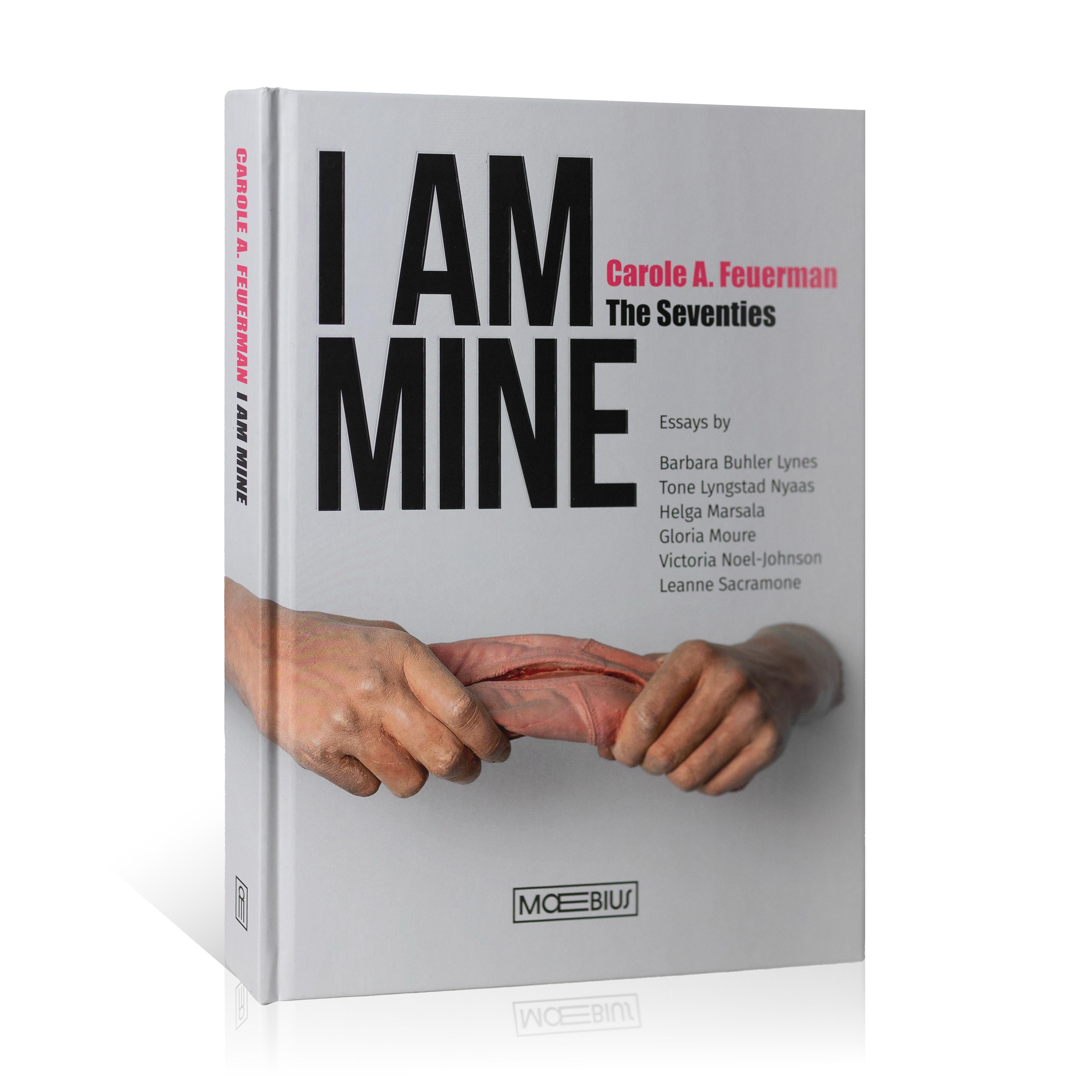
NEW YORK, NY / ACCESS Newswire / March 19, 2026 / American sculptor Carole Feuerman has released a new book titled I Am Mine, published by Moebius. The volume offers an exploration of Feuerman's career and artistic philosophy, tracing her emergence as one of the early figures associated with the Superrealist movement of the 1970s and examining her continuing influence on contemporary sculpture.
The book combines visual documentation with critical commentary and includes essays by art historians and scholars Barbara Buhler Lynes, Tone Lyngstad Nyaas, Helga Marsala, Gloria Moure, Victoria Noel-Johnson, and Leanne Sacramone. Their contributions situate Feuerman's work within the broader cultural and artistic shifts of the 1970s, a period when pop culture, superrealism, and the feminist movement intersected to reshape visual language and challenge traditional representations of the human body.
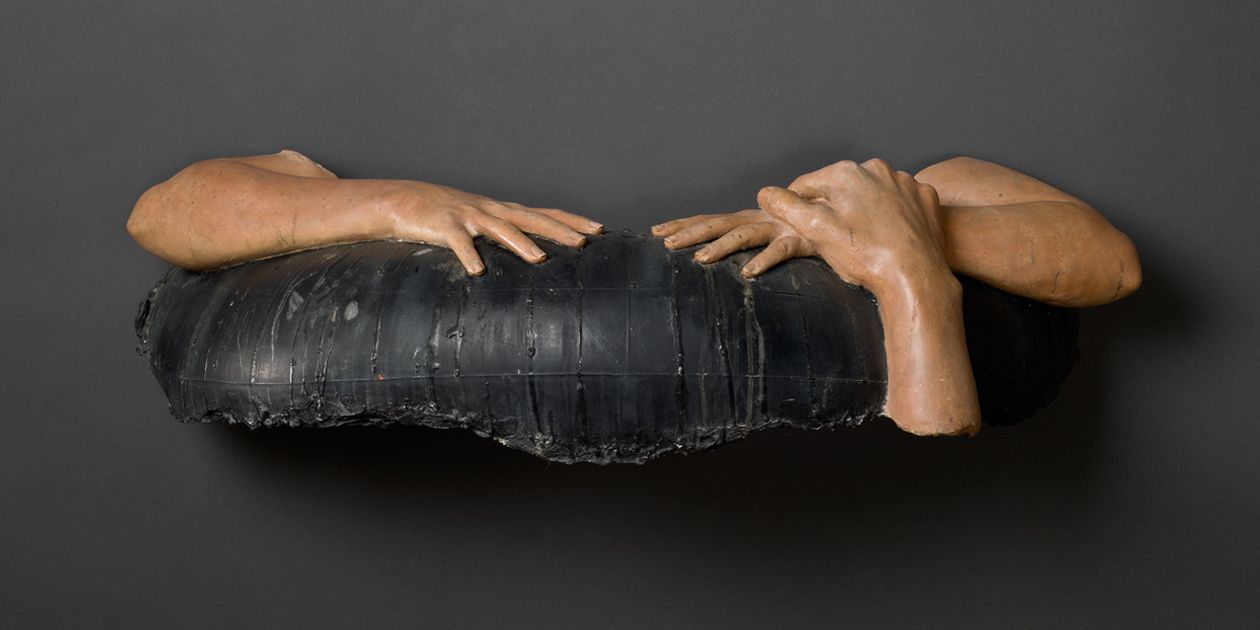
Through these perspectives, I Am Mine examines Feuerman's Superrealist sculptures, often characterized by fragmentary forms and meticulous attention to physical detail, within the context of the evolving Superrealist movement and the social transformations that defined the decade.
Feuerman began developing her sculptural approach at a time when Superrealism was gaining prominence in contemporary art. While many artists within the movement focused on spectacle or technical virtuosity, her work frequently emphasized emotional presence, psychological nuance, and the expressive potential of the human form. Over the decades, she has been recognized as one of the artists who helped expand the possibilities of figurative realism in sculpture.
In reflections included in the book, Feuerman discusses the personal and cultural influences that shaped her practice, noting the challenges faced by women artists during the early years of her career. She describes the title I Am Mine as a statement about artistic independence and identity, emphasizing the role of the body in her work as a symbol of resilience, presence, and self definition.
The publication also revisits the cultural environment of the late 1960s and 1970s, a time marked by significant social change. Countercultural movements and the rise of second-wave feminism influenced discussions around sexuality, bodily autonomy, and representation in the arts. Within this context, women artists increasingly sought to redefine how the female body could be represented in visual culture.
Feuerman reflects in the book on how these cultural developments informed her early sculptures and continue to shape her artistic outlook. She notes that the use of fragmented forms has long played a central role in her work, allowing the body to be presented not as a complete figure but as a series of intimate details that evoke emotion and narrative.
Her sculptural process often involves live casting directly from the human body, a method that captures subtle impressions of skin, gesture, and surface. These fragments, she suggests, can communicate a sense of touch, vulnerability, and presence that extends beyond traditional figurative representation.
Throughout her career, Feuerman's sculptures have explored themes of strength, sensuality, and individuality. By focusing on the body as a subject rather than an object, her work has been interpreted by critics as offering a distinct perspective within the broader field of Superrealism.
Published by Moebius, I Am Mine combines archival material, scholarly analysis, and the artist's own reflections to present an overview of Feuerman's artistic development and the cultural environment that shaped it. The book examines both the historical context of her early work and the continued relevance of Superrealist sculpture in contemporary art discourse.
I Am Mine is available through select bookstores, museum shops, the publisher, and the Feuerman Sculpture Foundation website. For media inquiries, review copies, or interview requests, contact:
Vivian Fulop
vivian@vivemiaminews.com
Cell: 305-244-9372
SOURCE: Carole Feuerman
View the original press release on ACCESS Newswire