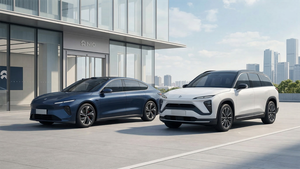
Growing electric vehicle adoption and grid modernization initiatives are driving the expansion of bidirectional charging systems that enable vehicles to store and supply electricity, supporting renewable energy integration and smart energy management.
NEWARK, DE / ACCESS Newswire / March 11, 2026 / The global bidirectional EV charging market is entering a rapid growth phase as energy systems evolve toward decentralized and flexible electricity networks. Valued at USD 2.1 billion in 2025, the market is projected to reach USD 2.3 billion in 2026 and expand to USD 5.8 billion by 2036, registering a CAGR of 9.7% during the forecast period.
The expansion reflects the increasing role of electric vehicles as distributed energy resources capable of supporting electricity grids during periods of peak demand. Bidirectional charging systems allow electric vehicles to both draw power from the grid and supply stored electricity back into it, creating a dynamic energy exchange model between vehicles, buildings, and power networks.
Utilities and grid operators are actively exploring these systems as a practical solution for grid balancing, renewable energy integration, and electricity demand management. With EV deployment accelerating worldwide, millions of connected vehicle batteries are expected to function as a flexible energy storage network.
Get Access of Report Sample:
https://www.futuremarketinsights.com/reports/sample/rep-gb-32239
Market Value Analysis: Growing EV Deployment Driving Bidirectional Charging Infrastructure
Between 2026 and 2030, the bidirectional EV charging market is expected to experience steady growth as electric vehicle adoption increases across passenger vehicles, commercial fleets, and public transportation systems.
As EV ownership rises, the total battery capacity connected to electricity networks expands significantly. Power utilities are recognizing this growing battery base as a distributed energy resource capable of stabilizing grid operations during periods of high electricity demand.
The second phase of expansion between 2030 and 2036 will be supported by large-scale deployment of smart grid infrastructure and demand response programs that allow utilities to draw power from EV batteries during peak load events.
Automotive manufacturers and charging infrastructure companies are investing heavily in vehicle-to-grid (V2G) compatible charging systems, enabling vehicles to export electricity back to the grid while maintaining battery health and operational efficiency.

Technology Evolution: Smart Charging Platforms Enable Two-Way Energy Flow
Bidirectional EV charging relies on advanced power electronics and digital communication technologies to manage electricity flow between vehicles and energy networks.
Modern systems integrate several technologies including:
• High-efficiency bidirectional inverters that enable safe two-way energy conversion
• Smart grid communication protocols enabling real-time coordination with utilities
• Energy management software platforms that optimize charging and discharging schedules
• Cloud-based monitoring systems tracking energy usage and grid participation
• Vehicle-to-grid communication interfaces enabling automated demand response
These technologies enable EVs to participate in energy markets while maintaining stable grid operations and protecting battery performance.
An industry analyst explains:
"Bidirectional EV charging represents a shift from traditional vehicle charging toward integrated energy management. Electric vehicles are no longer just transportation assets - they are becoming mobile energy storage units capable of supporting power systems."
Grid Modernization Programs Accelerating Bidirectional Charging Adoption
Governments and energy regulators are increasingly encouraging vehicle-to-grid and vehicle-to-building energy exchange systems through pilot programs, research initiatives, and financial incentives.
As electrification expands across transportation, buildings, and industrial sectors, electricity demand is rising significantly. Utilities are exploring new ways to manage grid stability without relying on expensive peak-generation power plants.
Bidirectional charging systems allow EV batteries to support grid operations by:
• Providing backup power during electricity shortages
• Supplying energy during peak demand periods
• Storing excess renewable electricity from solar and wind generation
• Supporting demand response programs
• Enabling home energy storage integration
These capabilities are becoming increasingly valuable as renewable energy adoption introduces intermittent generation patterns into electricity systems.
Segment Spotlight
Vehicle-to-Grid Systems Lead Charger Type Segment (47%)
Vehicle-to-grid charging systems account for approximately 47% of total market demand, driven by increasing interest from power utilities seeking distributed energy resources.
These systems enable electric vehicles to export electricity back to power networks when grid demand rises, allowing utilities to stabilize electricity supply while avoiding costly infrastructure expansion.
10 kW to 50 kW Systems Lead Power Output Segment (52%)
The 10 kW to 50 kW power range represents around 52% of the market, as it offers a balanced combination of charging speed, infrastructure cost, and grid compatibility.
Commercial buildings, fleet depots, and workplace charging facilities favor this power range because it supports both efficient vehicle charging and controlled energy discharge without requiring significant grid upgrades.
Regional Insights: Key Growth Markets
Country |
CAGR (2026-2036) |
Key Growth Drivers |
|---|---|---|
China |
11.8% |
Large EV manufacturing base and distributed energy resource integration |
India |
10.6% |
Expanding electric mobility programs and urban fleet electrification |
United States |
10.2% |
Utility demand response programs and fleet electrification initiatives |
Germany |
9.4% |
Renewable energy integration and EV infrastructure expansion |
United Kingdom |
9.1% |
Government-backed vehicle-to-grid pilot programs |
Asia-Pacific is expected to emerge as a major growth hub, supported by strong EV production capacity and increasing smart grid investments across China, India, Japan, and South Korea.
Renewable Energy Integration Strengthens Bidirectional Charging Demand
The rapid expansion of renewable energy generation is significantly strengthening the case for bidirectional EV charging infrastructure.
Solar and wind power generation often create fluctuating electricity supply patterns, requiring flexible energy storage systems capable of balancing grid demand.
Electric vehicles connected through bidirectional chargers can act as mobile storage units, storing excess renewable electricity during high production periods and supplying it back to the grid when renewable output declines.
This capability allows energy systems to operate more efficiently while reducing reliance on fossil-fuel-based backup generation.
Competitive Landscape: Energy Technology Firms Expanding Charging Infrastructure
The bidirectional EV charging market includes a growing ecosystem of charging equipment manufacturers, energy technology companies, and software developers.
Leading companies operating in the market include:
Wallbox N.V.
Fermata Energy LLC
Nuvve Corporation
dcbel Inc.
Kaluza Ltd.
Enel X Way
Delta Electronics, Inc.
Mobility House GmbH
EVTEC AG
These companies are investing in advanced inverter technology, smart charging platforms, and grid communication systems to support large-scale deployment of vehicle-to-grid infrastructure.
Strategic partnerships between utilities, automotive manufacturers, and charging infrastructure providers are accelerating market development.
Future Outlook: EV Batteries Becoming Key Energy Storage Assets
Looking toward 2036, bidirectional EV charging systems are expected to play a critical role in the evolution of smart energy networks.
Key trends shaping the market include:
• Expansion of vehicle-to-grid energy trading programs
• Integration of EV charging with smart home energy systems
• Growth in renewable energy storage applications
• Development of AI-driven energy management platforms
• Increasing deployment of fleet-based bidirectional charging hubs
As electric vehicle adoption accelerates and energy systems become more decentralized, bidirectional charging infrastructure will emerge as a core component of future mobility and energy ecosystems.
With utilities seeking new ways to balance electricity demand and integrate renewable energy, the bidirectional EV charging market is poised for steady expansion over the next decade, supporting a more resilient and sustainable global energy system.
For an in-depth analysis of evolving formulation trends and to access the complete strategic outlook for the Bidirectional EV Charging Market through 2036, visit the official report page at: https://www.futuremarketinsights.com/reports/bidirectional-ev-charging-market
Brows More Automotive Industry Reports:
Trawler Boat Market - https://www.futuremarketinsights.com/reports/trawler-boat-market
Acoustic Vehicle Alerting System Market - https://www.futuremarketinsights.com/reports/acoustic-vehicle-alerting-system-market
Low Rolling Resistance Tire Market - https://www.futuremarketinsights.com/reports/low-rolling-resistance-lrr-tire-market
In-Cabin PM2.5 Filtration Systems Market - https://www.futuremarketinsights.com/reports/in-cabin-pm25-filtration-systems-market
B20-B30 Biodiesel Fuel Injection Components Market - https://www.futuremarketinsights.com/reports/b20-b30-biodiesel-fuel-injection-components-market
About Future Market Insights (FMI)
Future Market Insights (FMI) is a leading provider of market intelligence and consulting services, serving clients in over 150 countries. Headquartered in Delaware, USA, with a global delivery center in India and offices in the UK and UAE, FMI delivers actionable insights to businesses across industries including automotive, technology, consumer products, manufacturing, energy, and chemicals.
An ESOMAR-certified research organization, FMI provides custom and syndicated market reports and consulting services, supporting both Fortune 1,000 companies and SMEs. Its team of 300+ experienced analysts ensures credible, data-driven insights to help clients navigate global markets and identify growth opportunities.
For Press & Corporate Inquiries
Rahul Singh
AVP - Marketing and Growth Strategy
Future Market Insights, Inc.
+91 8600020075
For Sales - sales@futuremarketinsights.com
For Media - Rahul.singh@futuremarketinsights.com
For web - https://www.futuremarketinsights.com/
SOURCE: Future Market Insights, Inc.
View the original press release on ACCESS Newswire